



Asian Rhinoplasty (Revision and Primary)
Asian rhinoplasty in Turkey is a specialized procedure designed to enhance nasal shape and definition while maintaining natural ethnic harmony. Typical Asian noses feature softer cartilage, thicker skin, and a lower nasal bridge, which require refined techniques and a culturally sensitive approach. The goal is not to westernize the face but to create proportion, balance, and improved breathing function.
- Home
- Asian Rhinoplasty (Revision and Primary)
Who Are the Most Suitable
Candidates for Asian Rhinoplasty?
- A low or flat nasal bridge
- Wide nostrils or a broad nasal tip
- Asymmetry after a previous rhinoplasty
- Difficulty breathing through the nose
- A desire for subtle enhancement, not drastic change
Patients should be in good health and have realistic expectations. Dr. Balıkçı evaluates both functional and aesthetic aspects during consultation using digital imaging and endoscopic assessment. His individualized approach ensures results that complement Asian facial anatomy and maintain cultural authenticity, making his clinic a preferred destination for the best Asian rhinoplasty in Turkey.

2-3 hours
3-4 weeks
3-4 weeks
Before & After
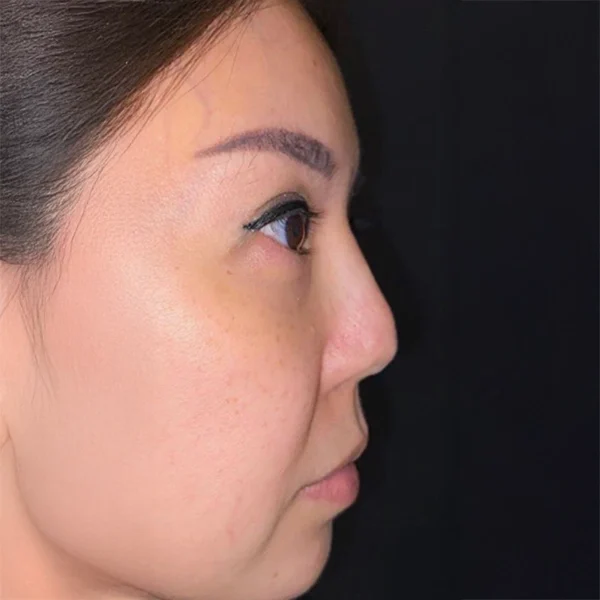
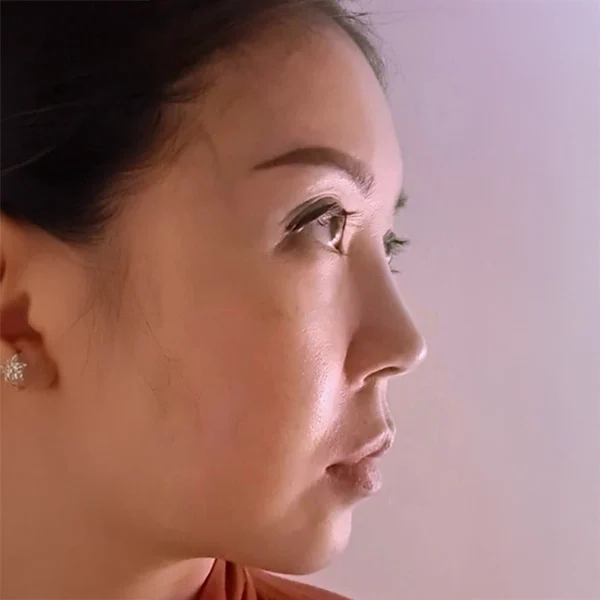
Rhinoplasty
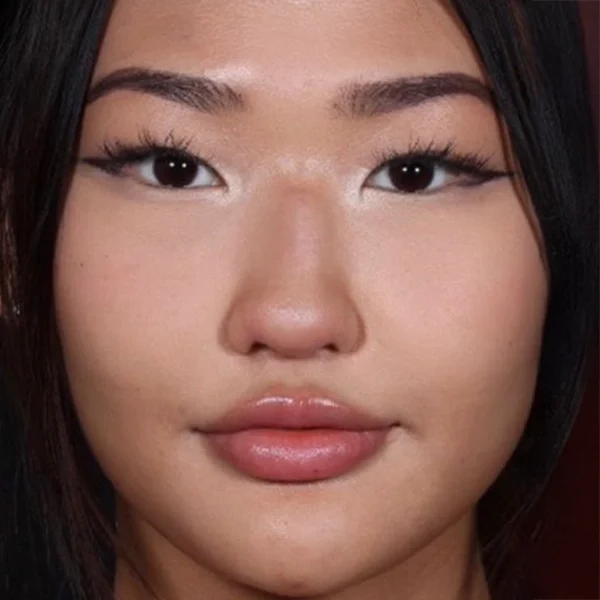
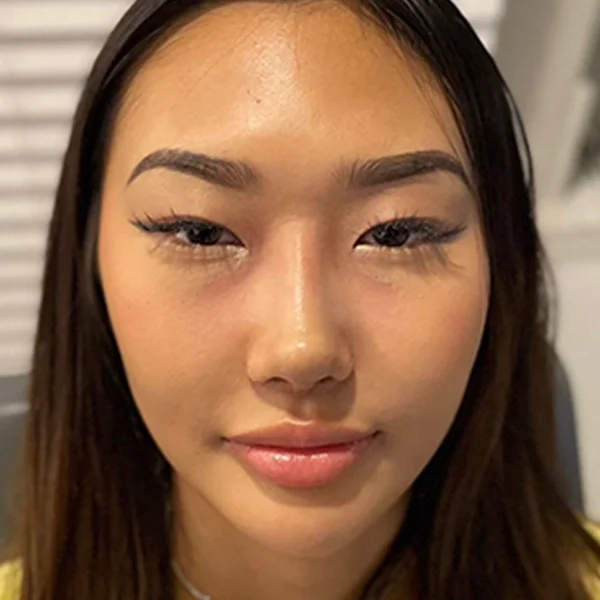
Rhinoplasty
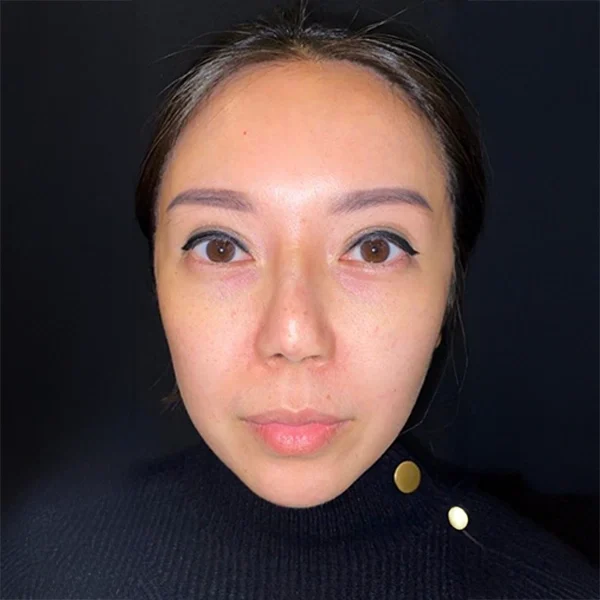
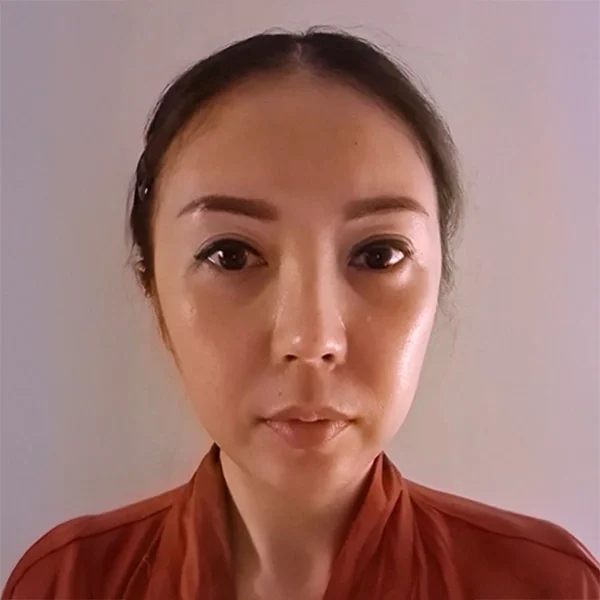
Rhinoplasty
What Techniques Are Used for Asian Rhinoplasty?
Performing natural Asian rhinoplasty requires advanced structural techniques and delicate artistry. Dr. Hüseyin Balıkçı employs a combination of modern methods for precise correction and long-term stability:
Often from the ear or rib to build a stronger nasal bridge and tip projection.
Using the patient’s own tissue to create a durable, natural contour.
Reshapes nasal bones with ultrasonic vibrations for minimal trauma and faster recovery.
Narrows wide nostrils for balanced proportions.
Provide sharper yet natural definition suited to Asian facial structure.

These gentle, detail-oriented techniques prevent excessive thinning of the nose, ensuring harmony and durability. Each Asian rhinoplasty in Turkey is tailored to achieve balanced refinement that looks natural from every angle.
How Is Asian Rhinoplasty Performed in Antalya, Turkey?
At his modern clinic in Antalya, Dr. Balıkçı performs both primary and revision Asian rhinoplasty in Turkey under general anesthesia. The procedure typically takes 2–4 hours and follows these key stages:
- 3D planning and surgical mapping.
- Internal incisions using an open or closed approach.
- Careful elevation of nasal skin without damaging soft tissues.
- Bridge augmentation and cartilage graft placement for height and contour.
- Tip projection and definition using precise suturing.
Application of external splints for protection and support.
Risks and Considerations in Asian Rhinoplasty Surgery
Although Asian rhinoplasty in Turkey is safe and effective, it requires expert handling of thick skin and softer cartilage to avoid overcorrection.
Possible risks include:
- Temporary swelling and bruising around the eyes and nose
- Prolonged tip stiffness during healing
- Scar tissue formation in revision cases
- Minor asymmetry or irregular healing
- Rare infection or implant rejection (when synthetic materials are used)
Choosing a highly experienced surgeon is essential. Dr. Hüseyin Balıkçı’s ENT background and aesthetic expertise minimize these risks. He carefully selects graft materials, ensures stable structural support, and monitors each patient closely throughout recovery. His focus on safety and precision has earned him recognition as one of the best Asian rhinoplasty surgeons in Turkey.

Patient Transformation Videos
Post-Operative Care for Asian Rhinoplasty in Antalya
Recovery after Asian rhinoplasty in Antalya is generally smooth but requires diligent aftercare due to thicker skin and delicate graft work. Dr. Balıkçı provides every patient with a customized recovery plan:
- Keep the head elevated for the first week to minimize swelling.
- Avoid touching or pressing on the nose.
- Use saline sprays and prescribed ointments to aid healing.
- Refrain from intense exercise and sun exposure for one month.
Attend follow-up appointments for splint removal and progress evaluation.
How Much Is Asian Rhinoplasty in Turkey?
The cost of Asian rhinoplasty in Turkey depends on factors such as surgical complexity, cartilage grafting requirements, and whether it’s a primary or revision case. Even with advanced techniques, pricing remains far more affordable than in the UK, Europe, or East Asia.
At Dr. Hüseyin Balıkçı’s Antalya clinic, the average cost of an Asian nose job in Turkey includes:
- Pre-operative consultation and 3D design
- Surgery, anesthesia, and hospital stay
- Medications and personalized aftercare
- All follow-up visits and translation support for international patients

Didn’t Find the Answer? Ask us Questions
Call us directly, submit a sample or email us!
Atatürk Bulvarı No:23/41 Gökay Plaza Konyaaltı, Antalya/Türkiye
+90 542 471 61 14
Mon-Sat: 09:00 – 18:00
Sun: 09.00 – 14:00
Asian Rhinoplasty FAQ
Asian rhinoplasty often focuses on building and supporting the bridge and tip, while Western rhinoplasty more frequently reduces or reshapes a high bridge. Techniques and materials are chosen to respect thicker skin, softer cartilage, and the natural harmony of Asian facial features.
Both silicone/Medpor implants and the patient’s own cartilage (from septum, ear, or rib) can be used to augment the bridge and support the tip. Many surgeons prefer cartilage grafts for a more natural feel and lower long-term complication risk, but the best option depends on your anatomy and goals.
Common goals include creating a higher, smoother nasal bridge, a more defined yet natural tip, and better balance between the nose and other facial features. The aim is to enhance the nose in a way that still looks authentically Asian and harmonizes with your eyes, lips, and jawline.
Most patients can return to work or daily activities within 7–10 days, once the majority of bruising and visible swelling improves. However, subtle swelling—especially at the tip—can take several months, and final Asian rhinoplasty results are usually seen around 9–12 months.
Most Asian rhinoplasty procedures are done with an open approach, which leaves a tiny incision on the columella (the skin between the nostrils) that usually heals as a very faint, hardly noticeable line. Incisions inside the nostrils are hidden, and with proper care and sun protection, visible scarring is minimal to none for most patients.
Start Your Consultation
Share your details and our patient coordinators will contact you to guide your personalized treatment journey with Dr. Balıkçı.